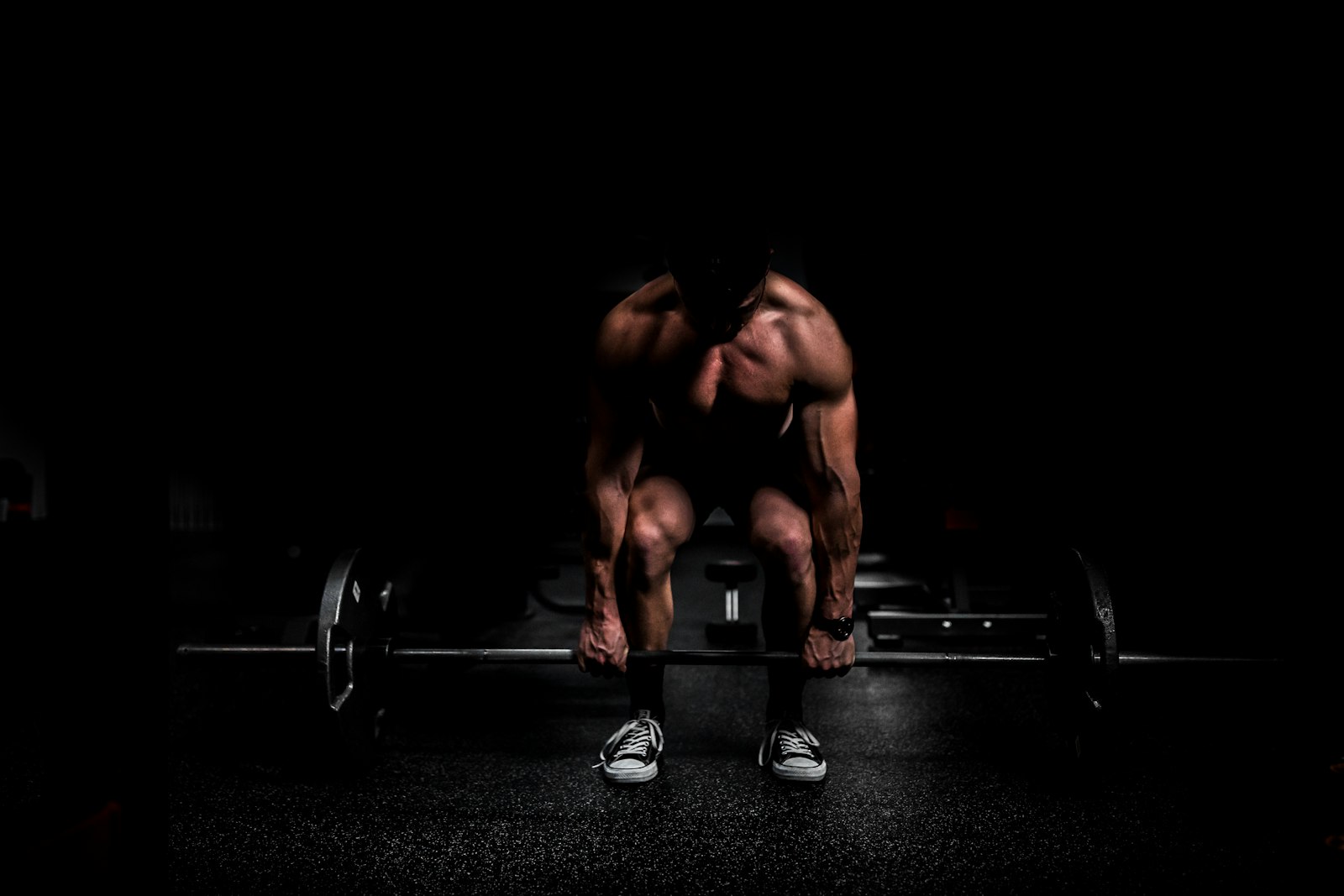
If you want to learn how to do a Romanian deadlift at home, I will be honest with you: I started doing them way later than I should have.
For a long time, I was doing a lot of machines and not really paying attention to this kind of exercise. Then at some point I noticed something. My back was huge. My hamstrings were big. My quads were big. My glutes? Tiny.
And I was stubborn about it. In my head, glute training was something women did, and I was not about to start doing that stuff. Yeah, I know. Pretty dumb.
Eventually, I gave in and started doing Romanian deadlifts. And of course, I did it the wrong way first. More on that in a second.
This guide is everything I wish I knew before my first set, especially if you are training at home and you do not have a full rack of dumbbells.
One quick note: if you have a back injury or any health condition, check with a doctor before you start.
New to training? Get the free beginner plan in your inbox → Ten minutes a day, at home, with nothing to buy.
What Is a Romanian Deadlift (and Why Should You Care)?
A Romanian deadlift, or RDL, is a hip hinge exercise. You start standing up, push your hips back, lower the weight down along your legs, and then stand back up by driving your hips forward.
The big difference from a regular deadlift is that you do not start from the floor, and you do not squat down to pick the weight up. Your knees stay slightly bent the whole time, and almost all of the movement comes from your hips.
That is what makes it so good for the back of your legs. The RDL mainly trains your:
- Hamstrings
- Glutes
- Lower back (which works to keep your spine in position)
- Grip, if you are holding weights
And it is not just gym talk. A study on hamstring exercises compared the leg curl, good morning, glute-ham raise and Romanian deadlift, and found hamstring activity was highest in the RDL and the glute-ham raise.
If you have read my 6-week calisthenics plan, you already know I ignored my glutes for years. The RDL is one of the exercises that finally fixed that.
What You Need to Do Romanian Deadlifts at Home
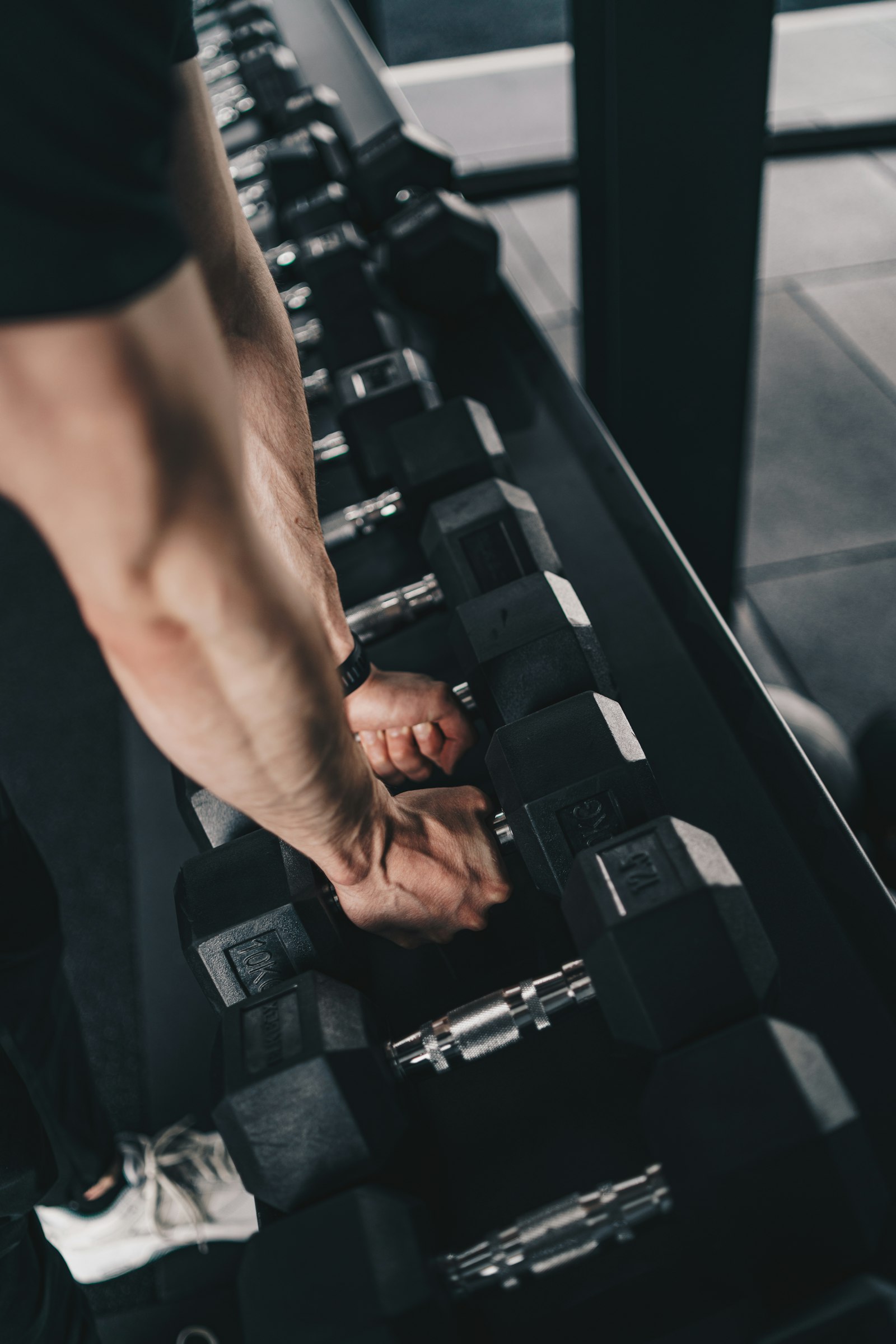
You do not need a gym to start learning this movement. Here are your options, from easiest to most serious:
- Nothing. Bodyweight hip hinges teach you the movement pattern.
- A backpack. Fill it with books or water bottles and hold it in front of you or by the straps.
- A resistance band. Stand on it and hold the ends.
- Dumbbells or a kettlebell. The best home option if you want to keep getting stronger.
That said, I want to be honest about one thing. You can learn the movement with no equipment, but if your goal is to build serious muscle, you eventually need a way to keep increasing the resistance. That could be dumbbells, bands, a heavier backpack or gym equipment. You do not necessarily have to go to the gym, but you do need to keep challenging your muscles if you want them to grow.
My First Romanian Deadlift Was a Mistake
My first time doing RDLs, I actually felt them in the right places: hamstrings and glutes. The problem was the weight.
I grabbed around 30 to 45 kilos in each hand, for an exercise I had never done before. Because obviously, I already had big legs, so how hard could it be?
The next day, my legs were completely cooked. I was walking around like someone who had torn both ACLs.
I also felt it in my lower back, which told me my technique was not right yet. I was strong enough to move the weight, but I did not actually know how to do the exercise.
So please, learn from my stupidity. Start light. Get the movement right first. The weight can come later.
How to Do a Romanian Deadlift: Step by Step
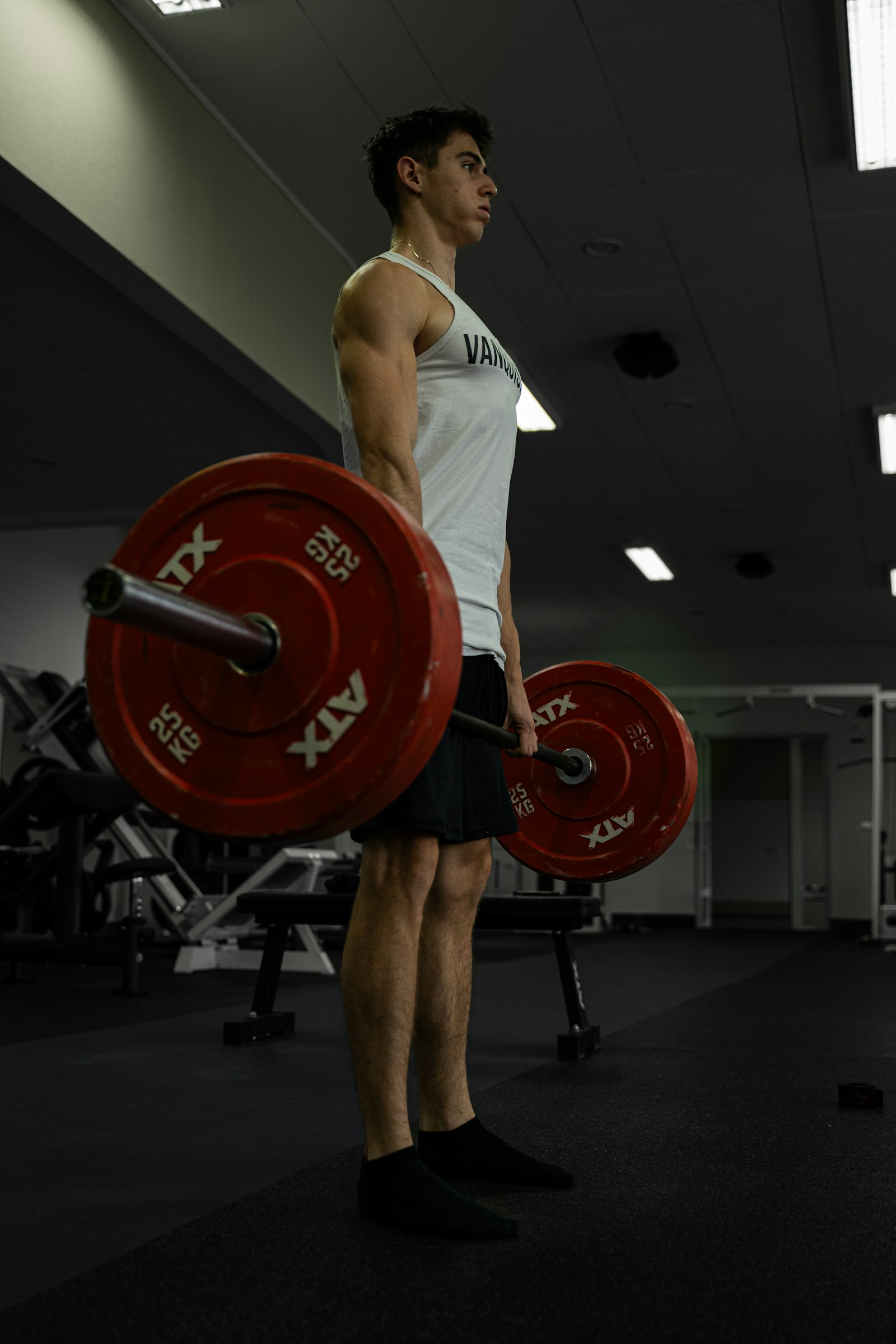
Here is the basic version with dumbbells. The same steps apply to a backpack, a kettlebell or a band.
1. Setup
- Stand with your feet about hip-width apart, toes pointing forward.
- Hold the weights in front of your thighs with your palms facing you.
- Bend your knees slightly, just a soft bend, not a squat.
- Pull your shoulders back a little and brace your stomach.
2. The Hinge (Going Down)
This is the part that finally clicked for me because of one YouTube video. The guy said to think about closing a door behind you with your butt.
For some reason, that cue changed everything. You are not bending over. You are pushing your hips backward.
- Push your hips back like you are closing that door.
- Let the weights slide down close to your legs, almost touching your thighs.
- Keep your back flat and your chest facing forward and down, not rounding.
- Keep that same slight knee bend. Your knees should not keep bending as you go down.
3. The Bottom Position
- Go down until you feel a strong stretch in your hamstrings.
- For most beginners, that is somewhere around the knees or mid-shin.
- Stop when you cannot go lower without your back starting to round. That is your range for now.
- Do not try to touch the floor. This is not a regular deadlift.
4. Standing Back Up
- Drive your hips forward and squeeze your glutes to stand up.
- Keep the weights close to your legs the whole way.
- Stand tall at the top, but do not lean backward.
- Then start the next rep from the top.
Take about two to three seconds on the way down. A slow, controlled lowering phase is where a lot of the work happens.
Romanian Deadlift Variations for Home
Bodyweight Hip Hinge: 3 sets of 10–15 reps
This is where I would start if you have never done an RDL before.
- Put your hands on your hips, or hold a broomstick along your back so it touches your head, upper back and tailbone.
- Push your hips back until you feel your hamstrings stretch.
- If the stick loses contact with any of those three points, your back is rounding.
It feels almost too easy, but it teaches the exact pattern you need when you start adding weight.
Dumbbell or Backpack Romanian Deadlift: 3 sets of 8–12 reps
This is the main version. Use dumbbells if you have them. If not, a loaded backpack works fine to start.
- Hold the dumbbells in front of your thighs, or hug the backpack to your chest.
- Follow the same steps: hips back, slight knee bend, flat back.
- Pick a weight where the last two or three reps feel hard but your form stays clean.
- If you feel it more in your lower back than your hamstrings, the weight is probably too heavy.
Single-Leg Romanian Deadlift: 3 sets of 6–10 reps per leg
This one is great at home because it makes a light weight feel a lot heavier.
- Stand on one leg with a slight bend in the knee.
- Hinge forward while your other leg extends straight behind you.
- Keep your hips square to the floor. Do not let one hip twist open.
- Hold a wall or chair with one hand at first if your balance is shaky.
Resistance Band Romanian Deadlift: 3 sets of 12–15 reps
- Stand on the middle of the band with your feet hip-width apart and hold the ends.
- Hinge down until you feel your hamstrings stretch, then stand up against the band.
- The band gets harder at the top, so focus on squeezing your glutes there.
- Use a thicker band or shorten your grip to make it harder.
How to Know If You Are Doing It Right
The easiest test is where you feel it.
- Hamstrings stretching on the way down: good.
- Glutes working on the way up: good.
- Lower back taking over: something is off. Usually the weight is too heavy, you are rounding your back, or you are bending at the waist instead of pushing your hips back.
If that happens, go lighter and think about the door again. Hips back, not chest down.
It also helps to record yourself from the side with your phone. Check that your back stays flat and the weights stay close to your legs.
Common Romanian Deadlift Mistakes Beginners Make
- Going too heavy too soon. I already told you my story. Your hamstrings might be strong enough, but your technique is not ready yet.
- Rounding your back. Keep a flat back the whole time. Your range of motion ends where your back starts to round.
- Turning it into a squat. If your knees keep bending and your hips drop, you are squatting. Keep the knee bend small and push your hips back instead.
- Letting the weights drift forward. The further the weights are from your legs, the more strain on your lower back. Keep them close.
- Going too low. You do not need to touch the floor. Stop at the hamstring stretch.
- Rushing the reps. Slow down on the way down. Do not just drop into the bottom.
A Simple Beginner RDL Routine (Weeks 1–4)
Do this twice a week, with at least one rest day in between. You can add it to the end of your normal workout or do it as part of a lower-body day.
| Week | Main exercise | Second exercise |
|---|---|---|
| 1 | Bodyweight hip hinge: 3 × 10–15 | Glute bridges: 3 × 12–15 |
| 2 | Bodyweight hip hinge: 2 × 12–15, then light backpack or dumbbell RDL: 2 × 10 | Glute bridges: 3 × 12–15 |
| 3 | Dumbbell or backpack RDL: 3 × 8–12 | Single-leg RDL (holding a wall): 2 × 6–8 per leg |
| 4 | Dumbbell or backpack RDL: 3 × 10–12, slightly heavier if form is clean | Single-leg RDL: 3 × 6–10 per leg |
Same rule as always: clean reps first, then more reps, then more weight. If Week 2 still feels shaky, stay there. This is not a race.
Want a full plan to go with this? Get the free beginner plan → One email a day. Unsubscribe any time.
Romanian Deadlift vs Regular Deadlift vs Good Morning
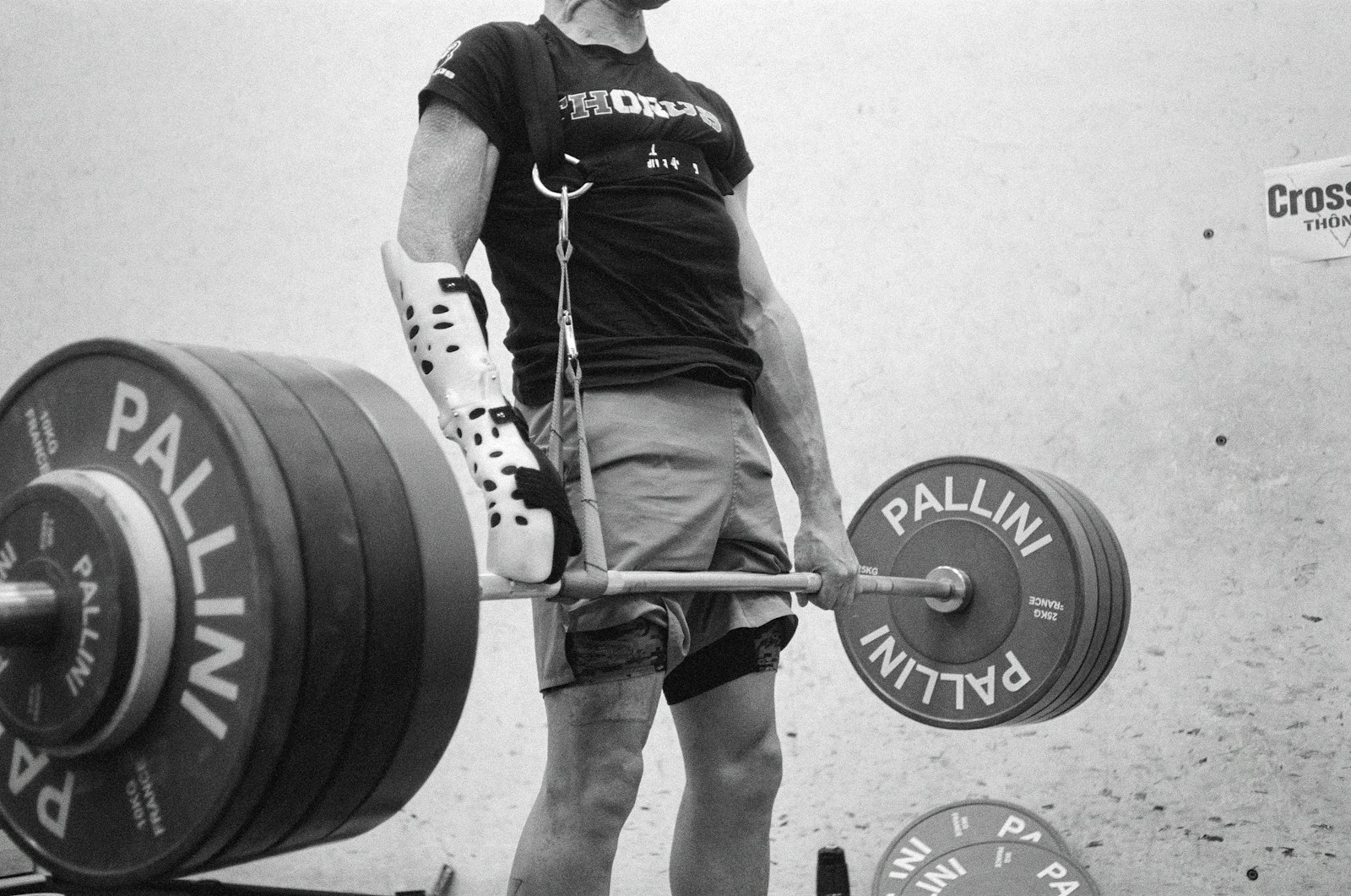
They look similar, but they are not the same exercise.
- Regular deadlift: You start with the weight on the floor and bend your knees much more to pick it up. It uses more of your quads and lets you lift heavier.
- Romanian deadlift: You start standing up, keep a slight knee bend and lower the weight only until your hamstrings stretch. More focus on your hamstrings and glutes.
- Good morning: The same hinge, but the weight sits on your upper back instead of in your hands. It is harder to control for beginners, so I would learn the RDL first.
If you are a beginner training at home, the RDL is the one I would start with. It is easier to learn, easier to do with dumbbells or a backpack, and it hits exactly the muscles most people ignore.
Did It Actually Help My Glutes?
Yes, absolutely. RDLs helped my glutes and my legs overall.
I ignored glute training for years because of my own stubbornness. Once I started taking it seriously, I noticed the difference, and so did other people.
If you are where I was, thinking glute training is not for you, just try it. Your legs will look and feel more complete, and your body will thank you for training the muscles that actually hold everything together.
Frequently Asked Questions
Are Romanian deadlifts safe for beginners?
Yes, as long as you start light and learn the hip hinge first. Most problems come from going too heavy or rounding the back. If you have an existing back injury, check with a doctor or physical therapist first.
Can you do Romanian deadlifts without weights?
Yes. Bodyweight hip hinges and single-leg RDLs are a great way to learn the movement at home. But to keep building muscle, you will eventually need to add resistance, like dumbbells, a loaded backpack or a resistance band.
How heavy should a beginner go?
Lighter than you think. Start with bodyweight or a light backpack. Move up when you can do all your reps with a flat back and you feel it in your hamstrings, not your lower back. Do not start with 30 to 45 kilos in each hand like I did.
How often should you do Romanian deadlifts?
Twice a week is plenty for beginners. Give your hamstrings at least a day of rest between sessions, especially in the first few weeks when the soreness hits hardest.
Do Romanian deadlifts build glutes?
Yes. RDLs work your glutes, especially when you squeeze them at the top and push your hips back properly. Pair them with glute bridges and you have a strong start for the back of your legs.
Where to Go From Here
Start with the hinge. Get the movement right. Then add weight slowly.
If you are training at home and want a full routine around this, check out my 6-week calisthenics workout plan for beginners. And if you are trying to decide between the gym and home training, I wrote about gym machines vs free weights for beginners too. If you are starting with nothing at all, here is how I started working out at home with no equipment.
And seriously, do not ignore your glutes for years like I did.
About the Author
I started training at home during COVID with no equipment, just jumping jacks, high knees and whatever kept me moving. Calisthenics turned that into an actual journey: harder push-up variations, pistol-squat progressions, handstands, and eventually 12–16 strict pull-ups and a few muscle-ups. Later I added gym training with machines and free weights, and these days I mix both. What I write here is what I wish someone had told me when I was starting from zero.